
(And What Happens When You Try to Do It All Alone)
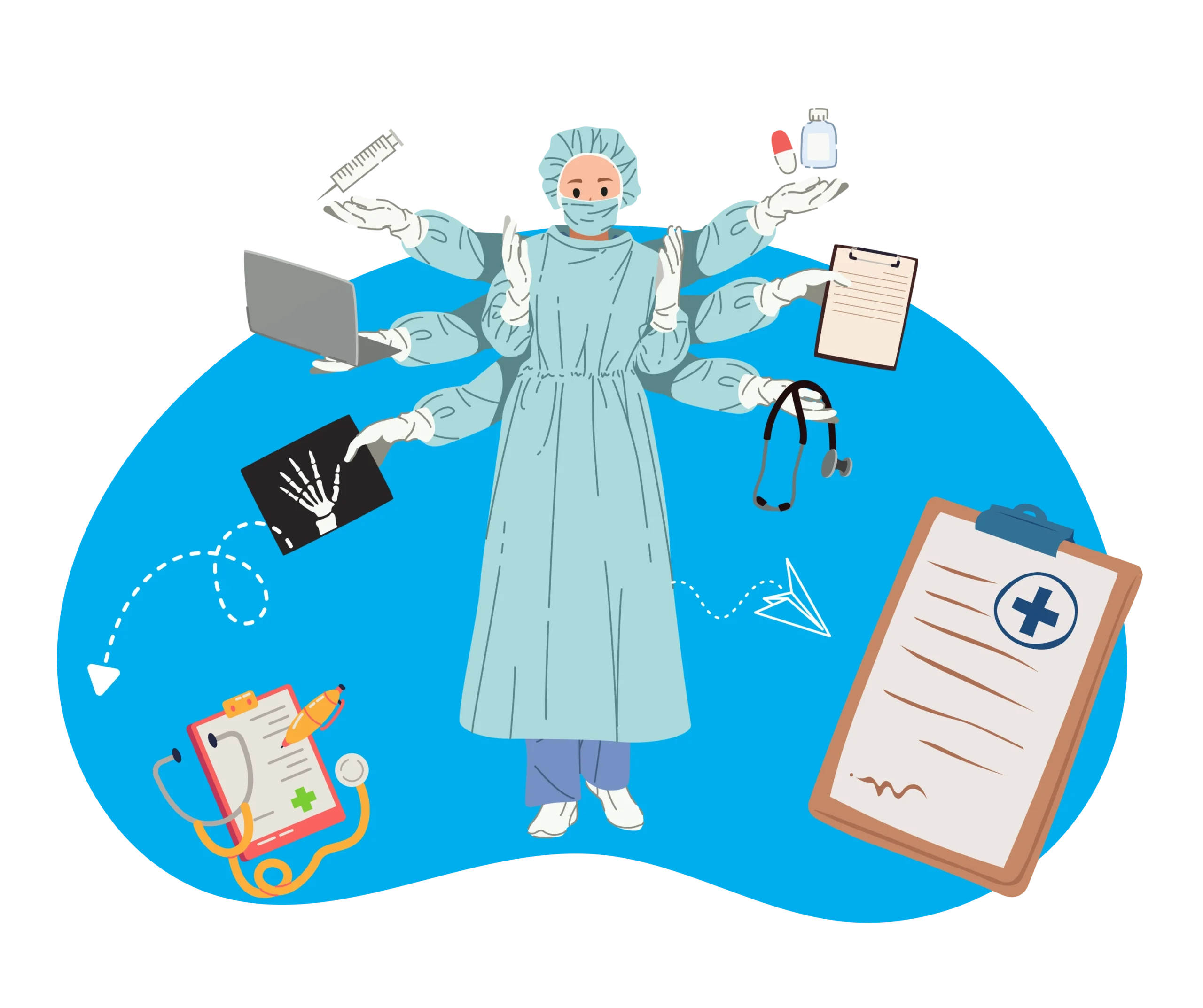
Running a medical practice, whether it’s a small clinic, specialty office, or a growing healthcare team, demands more than just clinical expertise. You’re expected to be a physician, manager, decision-maker, and administrator all in one. That level of responsibility is enormous, and for many, it eventually starts to feel unsustainable.
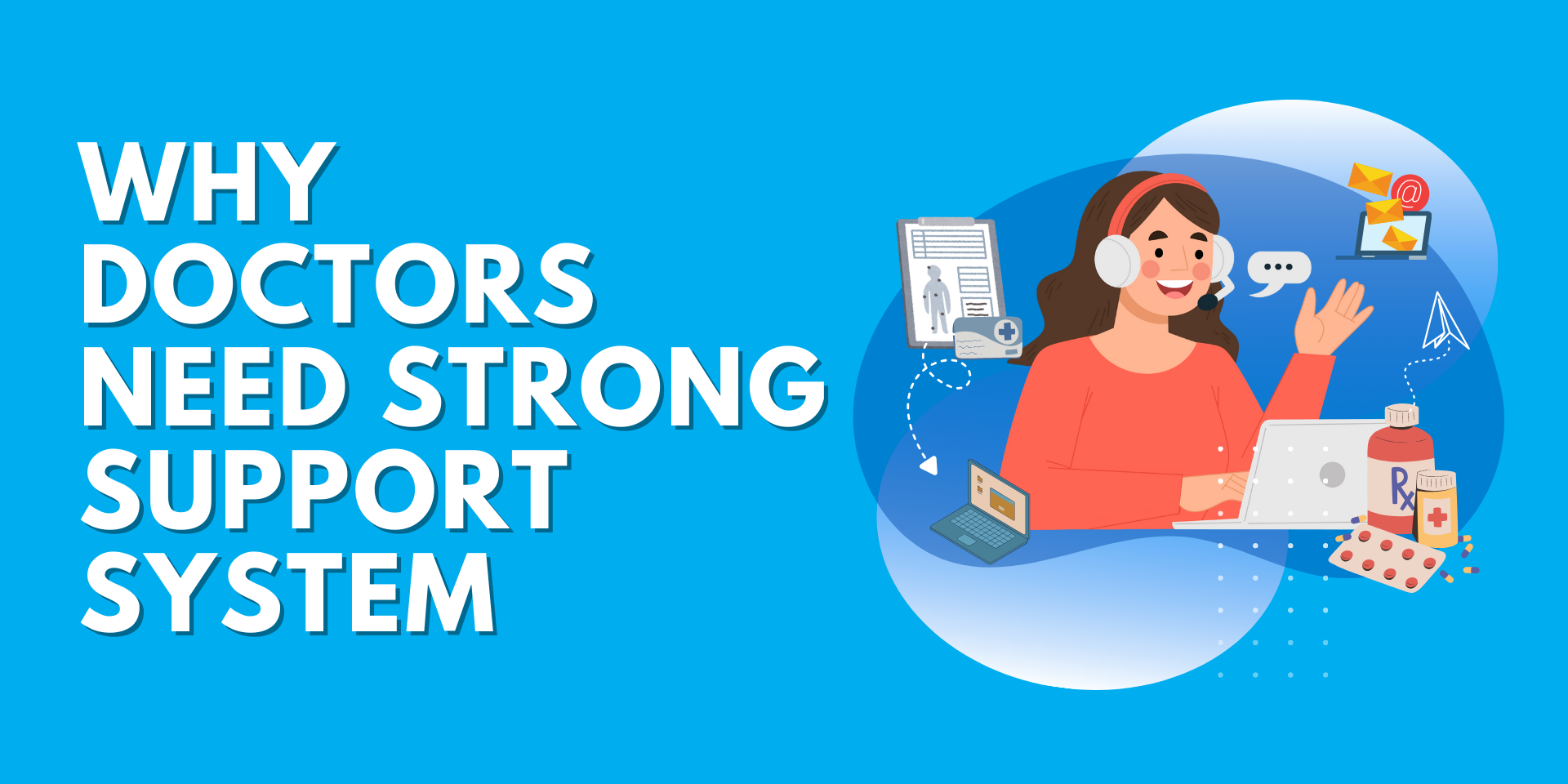
The truth is: Even the most capable doctors need support.
Trying to handle everything on your own may seem noble or efficient at first, but over time, it becomes a heavy burden. And when the load becomes too much, it doesn’t just affect you, it affects your patients, your staff, and the quality of your care.
The Hidden Toll of Doing Everything Yourself
When doctors take on every task, clinical and administrative alike, it often leads to a slow but steady decline in overall well-being. You might start staying later at the clinic, skipping breaks, or taking charts home just to keep up. It’s easy to justify these sacrifices in the name of patient care or keeping the practice afloat.
But the long-term effects of this constant overextension are significant. Mental exhaustion sets in. Your patience thins. The joy and passion you once felt for your work may begin to fade. This kind of chronic stress doesn’t just lead to burnout, it chips away at your clarity, compassion, and connection to your purpose.
And the hardest part? You might not even realize how much it’s affecting you until you finally experience what true support feels like.

What Real Support Looks Like in Today’s Medical Practices
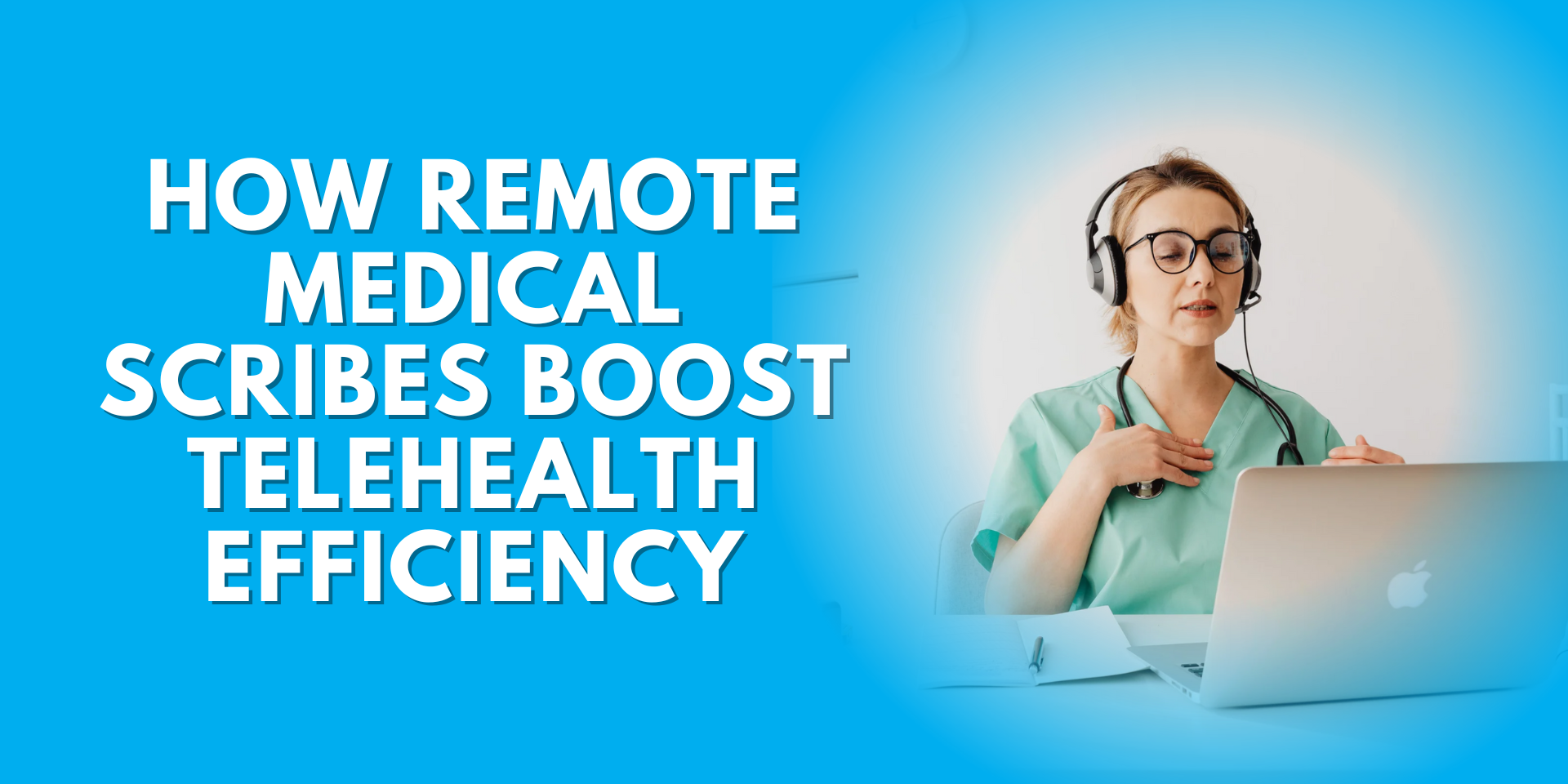
In today’s healthcare environment, a strong support system can make all the difference. For many doctors, this includes not only dependable in-house staff, but also the growing trend of virtual medical assistants (VMAs) who work remotely yet integrate seamlessly into your daily operations.
These virtual professionals are trained in medical administrative work, from handling phone calls and scheduling to updating electronic medical records and managing insurance tasks. By offloading these responsibilities, you’re able to focus your time and energy where it matters most: patient care.
In addition to VMAs, support can also come from:
- Streamlined technology that automates reminders, patient communications, and documentation
- A collaborative clinic culture where responsibilities are shared instead of hoarded
- Clear workflows and systems that reduce inefficiency and decision fatigue

The Difference Support Can Make
Once you experience the relief of not carrying every detail on your own, things start to shift, sometimes in ways you didn’t expect.
You find yourself able to leave the clinic on time.
You’re no longer mentally drafting emails or to-do lists during dinner.
You begin to focus more clearly during appointments, feeling less distracted or rushed.
You even start to rediscover the parts of medicine that once brought you joy, the connections with patients, the satisfaction of solving a complex case, the pride in leading a well-functioning team.
This isn’t about luxury, it’s about longevity and sustainability in your career. It’s about protecting your health and your ability to care for others. Needing support doesn’t mean you’re failing, it means you’re taking care of yourself so you can keep taking care of other.
You Were Never Meant to Do This Alone
Medicine has always been built on collaboration. From the hospital floors to private clinics, great care happens when teams work together, not when one person tries to shoulder it all.
Whether it’s a reliable front desk team, efficient tech tools, or the trusted support of a virtual medical assistant, creating a solid support system is one of the smartest steps you can take to strengthen both your practice and your personal well-being.
If you’ve been feeling the weight of doing everything alone, it might be time to pause and ask: What kind of support do I need to do this better, healthier, and with more joy
The support you need might be easier to find than you imagined.