Virtual Medical Scribes: Boosting Efficiency for Telehealth Providers

Home » Blog » Medical Practice » Virtual Medical Scribes: Boosting Efficiency for Telehealth Providers

Share this article

Related Posts

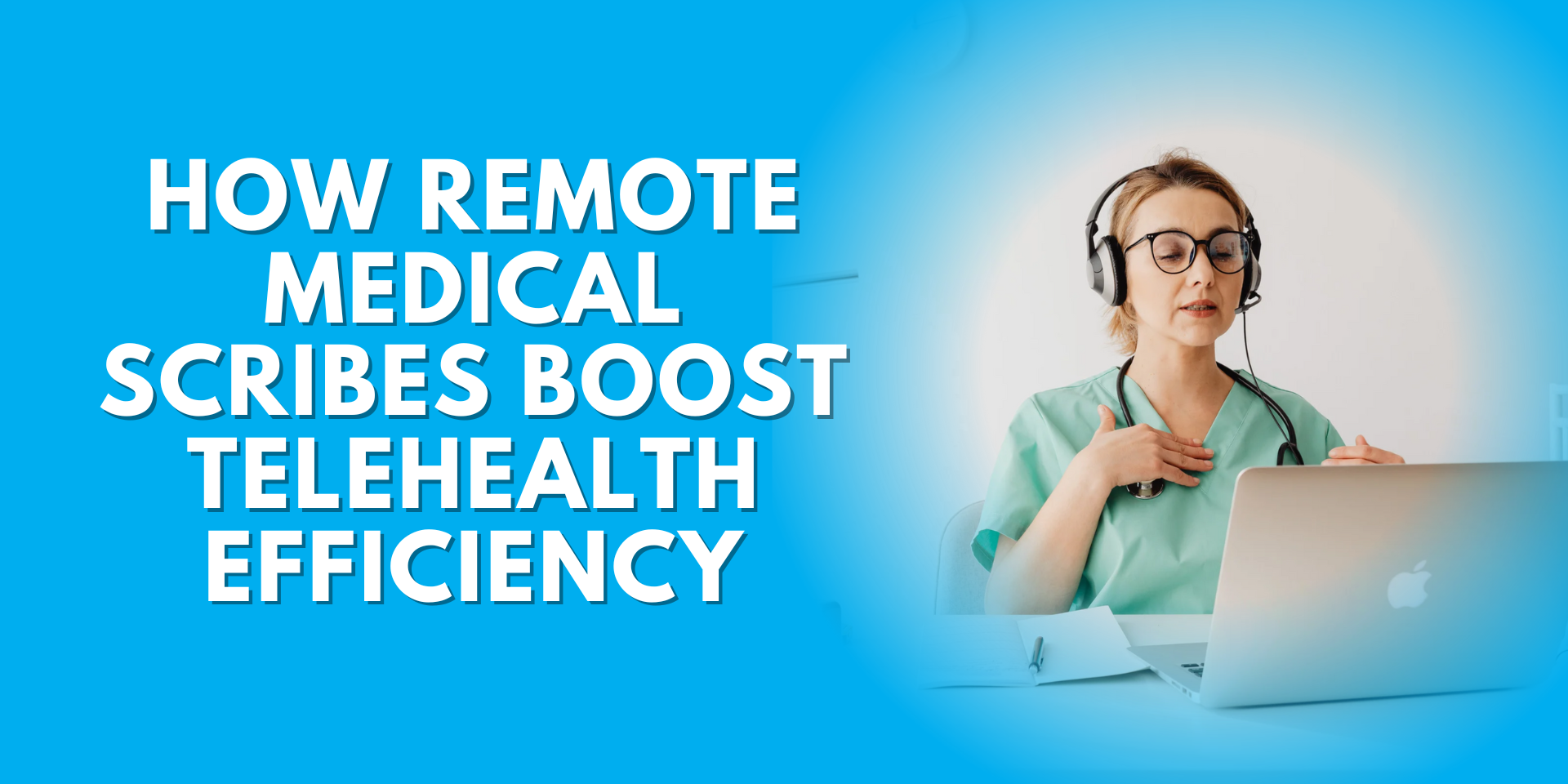
Remote medical scribe wearing headset and scrubs working on laptop during telehealth consultation

The rapid adoption of telehealth in practices from primary care to specialties has unveiled significant documentation burdens. Clinicians must simultaneously operate video platforms, manage complex EHRs, and adhere to specific virtual visit coding—a combination that frequently leads to overload.  Virtual medical scribes are essential in this landscape, offering targeted support to alleviate these administrative pressures.

Remote scribes streamline telehealth workflows, improve documentation accuracy, and help providers deliver efficient, patient-focused virtual care. Here’s how.


1. How Virtual Medical Scribes Power Smoother Telehealth Workflows

In telehealth, every second counts. Providers must juggle video platforms, digital consent, patient histories, and charting, all while maintaining a smooth virtual experience.

Remote medical scribes help by:

  • Preparing charts before each visit
  • Documenting real-time patient interactions
  • Capturing key clinical details that providers may not have time to enter
  • Organizing EHR notes so the provider can focus fully on the patient

This results in shorter visit times, fewer technical interruptions, and a more natural patient-provider interaction.


2. EHR Documentation Mastery with a Virtual Medical Scribe

Telehealth documentation can be more demanding than in-person visits. Providers must document location requirements, telehealth consent, and modality type, all while ensuring accuracy for billing.

Scribes support digital charting by:

  • Entering HPI, ROS, exam findings, and assessments directly into the EHR
  • Ensuring telehealth-specific documentation elements are included
  • Applying standardized templates to keep notes consistent
  • Closing encounters faster to speed up billing and compliance processes

This eliminates the need for after-hours charting and significantly improves note quality.


3. Ensuring Coding Accuracy with a Virtual Medical Scribe

Telehealth coding rules vary by payer and are subject to frequent updates. Errors in modifier use, time-based coding, and location-based requirements can lead to claim denials.

Scribes help ensure:

  • Accurate CPT/ICD-10 codes based on documented clinical complexity
  • Proper telehealth modifiers (e.g., 95, GT)
  • Inclusion of time-based elements when required
  • Compliance with payer telehealth documentation policies

With cleaner claims and fewer coding errors, practices can maintain stronger revenue cycles.


4. Beyond the Note: The Expanded Role of Virtual Medical Scribes

A remote medical scribe can do more than document. They can help organize all the behind-the-scenes tasks that keep telehealth running smoothly.

This includes:

  • Reviewing patient questionnaires before the visit
  • Verifying medications, allergies, and histories
  • Managing follow-up scheduling and digital patient instructions
  • Assisting with referrals, lab orders, and care plans
  • Flagging missing documentation or required forms

In virtual-first care models, scribes become an extension of the provider’s digital support team.


5. Reclaiming Time and Focus: The Provider Impact of Virtual Scribes

Telehealth is convenient for patients, but providers often feel increased pressure due to multitasking and digital navigation demands.

With a scribe, providers gain:

  • More face-to-face (screen-to-screen) time with patients
  • Fewer administrative distractions
  • Faster documentation completion
  • The ability to see more patients without burnout

Many telehealth clinicians report that scribes help them maintain better workflow, improved job satisfaction, and more consistent chart closure rates.


Remote executive assistant analyzing data on dual monitors with spreadsheets in modern home office


Bottom Line

Remote medical scribes play a critical role in elevating telehealth efficiency. By managing documentation, supporting workflows, and enhancing coding accuracy, they allow virtual care providers to focus on what matters most: delivering high-quality, patient-centered care.

Ready to Take the Next Step?

Looking for expert solutions to virtual staffing needs? We’re here to help! Whether you’re ready to get started or have questions, we’d love to hear from you.

Have questions? Reply to this email or contact us at clients@virtualmedicalstaffing.com. Let’s make something amazing together!