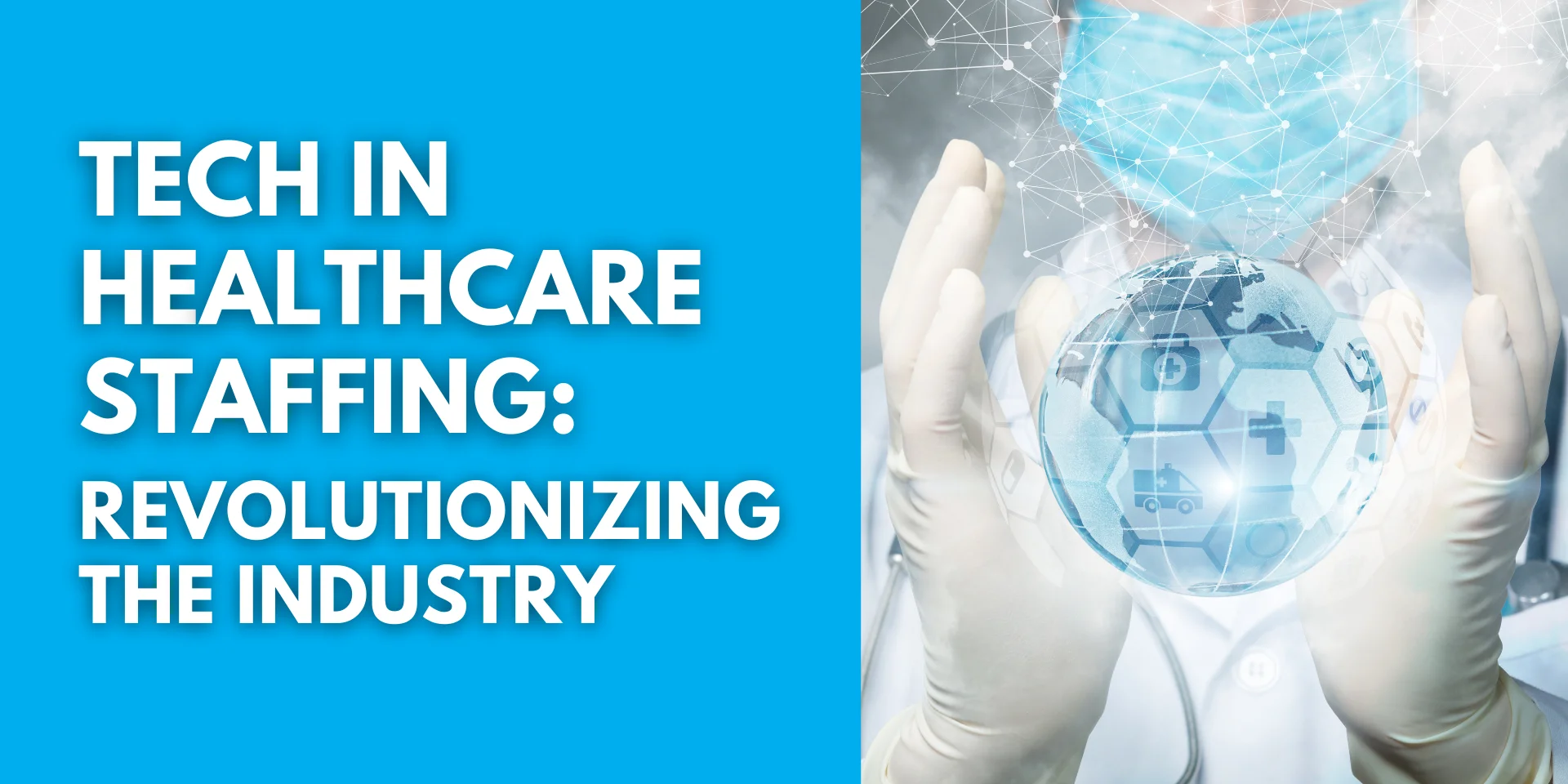
The healthcare staffing industry has always been a critical pillar of the medical sector, ensuring that skilled professionals are in the right place at the right time to deliver quality care. In recent years, the integration of advanced technology has reshaped this industry, offering innovative solutions to long-standing challenges. From artificial intelligence (AI) to telehealth platforms, let’s explore how technology is revolutionizing healthcare staffing.
1. AI-Powered Scheduling and Workforce Management
One of the most significant advancements in healthcare staffing is the use of AI-powered scheduling tools. Traditional scheduling techniques often involve manual processes that are labor-intensive and susceptible to mistakes. AI-driven platforms, however, can analyze vast amounts of data to optimize shift assignments, taking into account factors such as employee availability, qualifications, patient needs, and compliance with labor laws.
For example, AI algorithms can predict staffing shortages and recommend proactive solutions, such as reallocating staff or initiating recruitment drives. These tools also improve employee satisfaction by minimizing scheduling conflicts and preventing burnout through better workload distribution.
2. Telehealth and Remote Staffing
The rise of telehealth has opened up new possibilities for healthcare staffing. Virtual consultations and remote patient monitoring have enabled healthcare professionals to provide care from anywhere, reducing the need for physical presence in some scenarios. This shift has expanded the pool of available healthcare workers, allowing hospitals and clinics to tap into talent from different regions or even countries.
Telehealth platforms also simplify the onboarding process for remote staff by integrating training modules, compliance checks, and performance monitoring. This ensures that remote healthcare workers are well-equipped to deliver high-quality care, even from a distance.
3. Enhanced Recruitment Through Data Analytics
Recruitment is a core aspect of healthcare staffing, and technology has made it more efficient and targeted. Data analytics tools can analyze job market trends, identify skill gaps, and predict future staffing needs. These insights help organizations create strategic recruitment plans and attract top talent.
Additionally, advanced applicant tracking systems (ATS) streamline the hiring process by automating resume screening, scheduling interviews, and managing candidate communications. Some systems even use AI to match candidates with positions based on their skills, experience, and cultural fit.
4. Mobile Apps for On-Demand Staffing
Mobile applications have transformed how healthcare facilities and professionals connect. On-demand staffing apps act as marketplaces, allowing facilities to post job openings and enabling healthcare workers to accept shifts that align with their schedules. These platforms offer real-time updates, ensuring quick responses to staffing emergencies.
For healthcare professionals, these apps provide greater flexibility and control over their work-life balance. For organizations, they offer a reliable solution to fill last-minute vacancies without compromising patient care.
5. Blockchain for Credentialing and Compliance
Ensuring that healthcare professionals have the necessary credentials and certifications is a critical aspect of staffing. Blockchain technology offers a secure and transparent way to manage these records. By storing credentials on a decentralized ledger, blockchain eliminates redundancies and reduces the time required for verification.
This technology also enhances compliance with regulatory requirements, as all records are tamper-proof and easily accessible. Healthcare organizations can quickly verify a candidate’s qualifications, speeding up the hiring process.
6. Virtual Reality (VR) for Training and Upskilling
Technology is not only transforming how staff are hired but also how they are trained. Virtual reality (VR) simulations provide immersive training experiences, allowing healthcare workers to practice procedures in a risk-free environment. These simulations can be tailored to specific roles or specialties, ensuring that staff are well-prepared for real-world scenarios.
For example, VR can be used to train nurses in patient handling techniques or to familiarize surgeons with complex procedures. This innovative approach reduces the learning curve and boosts confidence among healthcare professionals.
Predictive Analytics for Workforce Planning
Predictive analytics is another game-changer in healthcare staffing. By analyzing historical data, these tools can forecast patient volumes, seasonal staffing needs, and potential turnover rates. This enables organizations to plan their workforce more effectively, ensuring that they are neither understaffed nor overstaffed.
With predictive analytics, healthcare facilities can also identify trends in employee satisfaction and take proactive measures to address issues before they lead to attrition.
To end, technology is transforming the way healthcare staffing works, bringing in tools that make the process smoother, more adaptable, and ready to meet the growing demands of the medical field. From AI-driven scheduling to telehealth platforms and blockchain for credentialing, these innovations are tackling old challenges and helping to create a stronger, more reliable workforce.
As technology keeps advancing, we can expect even more creative solutions to emerge. By embracing these changes, healthcare organizations and professionals alike can benefit—leading to better patient care, improved outcomes, and a brighter future for the industry.
Leverage the power of virtual medical and business staffing to enhance efficiency, cut costs, and provide top-tier support—anytime, anywhere. Explore expert solutions with Virtual Business Staffing (VBS) & Virtual Medical Staffing (VMS)!